


AI and Personalized Fashion
In recent years, the fashion industry has undergone a paradigm shift driven by advances in artificial intelligence (AI) and the growing trend of mass customization. These technological innovations are revolutionizing the way fashion brands design, produce and market their products, paving the way for a more personalized and efficient industry.
AI-Based Personalization
Artificial intelligence has emerged as a fundamental force in fashion, enabling brands to deliver highly personalized experiences to consumers. By analyzing large amounts of data, AI algorithms can predict individual preferences and adapt product recommendations accordingly.
This level of personalization goes beyond mere product suggestions; influences design processes, inventory management, and customer service.
For example, AI can help designers create styles that resonate with specific customer segments by analyzing trends and feedback in real time.
Furthermore, AI-driven chatbots and virtual assistants improve customer interactions by providing instant and accurate responses, thereby improving the overall shopping experience. Max Mara‘s WhatsApp chatbot led to an 18x increase in customer engagement.
Mass Customization: A New Era of Consumer-Centric Fashion
Mass customization represents a significant departure from traditional mass production methods. This approach allows consumers to participate in the design process, creating unique garments that reflect their personal tastes and preferences.
Technologies such as 3D printing and automated manufacturing systems enable this change, offering unprecedented flexibility in production.
For example, companies like Nike and the service “Nike by You” have embraced mass customization, allowing customers to create their own sneakers by choosing colors, materials and even adding personalized messages.
Polo Custom Shop by Ralph Lauren puts this principle into practice by allowing visitors to create their own custom embroidery pattern on their items.
These initiatives increase customer satisfaction and also reduce waste, as products are made to order and not mass produced.

Sustainable and Efficient Production
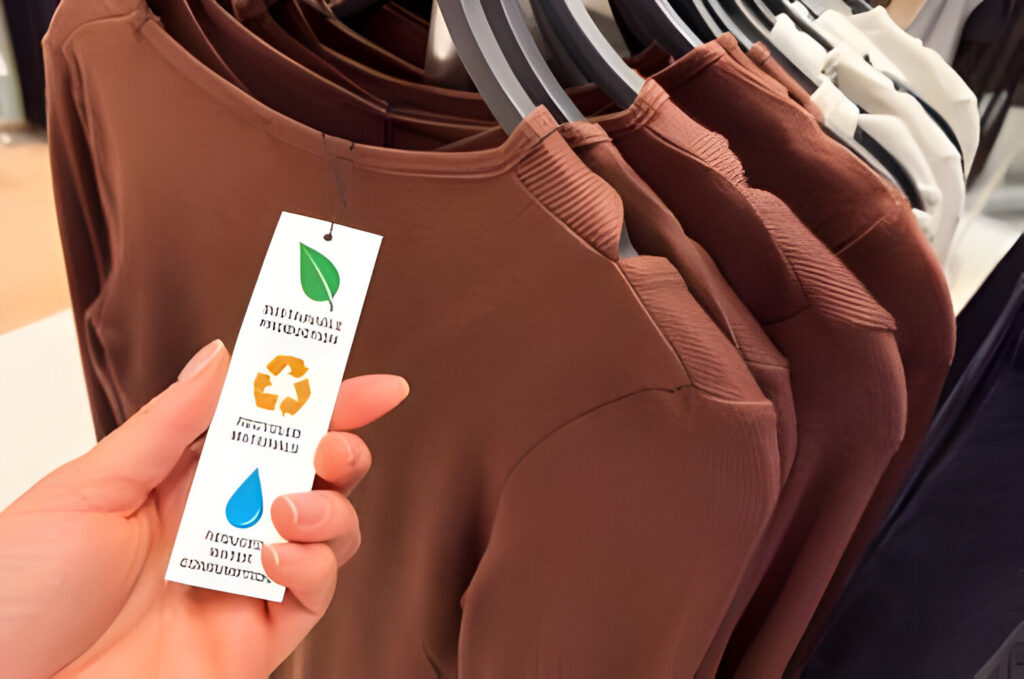
The integration of AI and mass customization contributes to a more sustainable fashion industry. AI predictive analytics can optimize supply chain operations by reducing overproduction and minimizing excess inventory.
Tools like Stylumia, use AI and machine learning platforms to help fashion brands predict demand, spot trends, manage inventory and make better business decisions.
By accurately predicting demand, brands can produce the right amount of stock, thus reducing waste and associated environmental impacts. Additionally, mass customization reduces the need for large-scale production, further reducing material waste. This sustainable approach benefits the environment, aligning with consumers’ growing demand for ethical and environmentally friendly fashion practices.
Improve Customer Engagement and Loyalty
The fusion of AI and mass customization also increases customer engagement and loyalty. Personalized experiences foster a deeper connection between brand and consumer, leading to greater satisfaction and repeat business.
Dolce & Gabbana has partnered with Intellistyle to provide AI tools to its sales representatives, improving the customer shopping experience by recommending similar products based on unique characteristics.
When customers feel that their unique preferences are understood and responded to, they are more likely to remain loyal to the brand. Furthermore, the interactive nature of mass customization, in which consumers actively participate in the creation of their products, reinforces this connection. Brands that successfully leverage these technologies are more likely to see a significant increase in customer retention and advocacy.

The convergence of AI and mass customization is redefining the fashion industry, offering a more personalized, efficient and sustainable approach to fashion design and production.
As these technologies continue to evolve, they promise to further improve the consumer experience and drive innovation in the industry.
Companies that embrace these advancements will be well positioned to meet the ever-changing demands of modern consumers, ultimately securing their place in the future of the fashion industry.
Contact NITextile and find out about our solutions.