
One-Stop Shop – The Integrated Factory
In the textile and apparel industry, a One-Stop Shop refers to a business model in which a single supplier offers a full range of products and services, from raw materials and fabrics to design, manufacturing and distribution.
This approach increases convenience and efficiency for customers by consolidating all their needs in one place, reducing the need to use multiple suppliers. By rationalizing the supply chain, a One-Stop Shop improves coordination, reduces transaction costs and increases customer satisfaction through an integrated and cohesive service offering.
Status Quo
The textile industry has undergone a significant transformation as companies increasingly adopt the One-Stop Shop.
This trend, characterized by the integration of various phases of textile production under a single structure, is reshaping production processes and customer fulfillment. The implications of this change are profound, promising greater efficiency, reduced delivery times and a more cohesive customer experience.
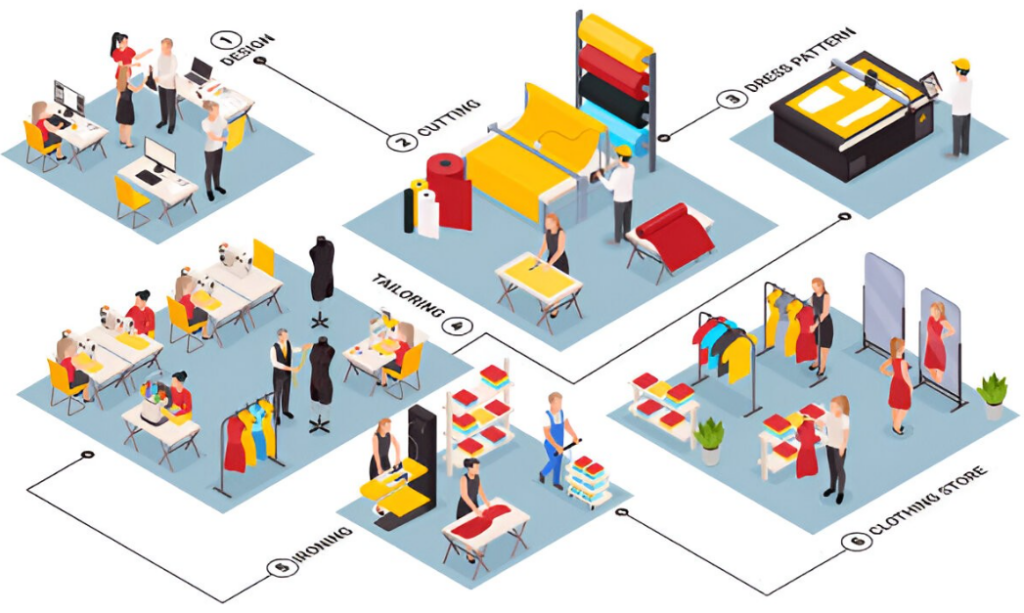
The traditional textile production process involves a series of fragmented phases, each of which is often managed by different entities. The acquisition of raw materials, yarn production, weaving or knitting, dyeing, printing and clothing manufacturing are normally managed by specialized companies.
This fragmentation can lead to inefficiencies, as each transfer between phases introduces potential delays and miscommunications.
The One-Stop Shop model seeks to solve these problems by consolidating these processes in a single organization. By doing so, companies can simplify operations, reduce logistical complexities and increase overall productivity.
Credit: istockphoto – Marisvector
Strict Control
From a production point of view, the One-Stop Shop approach allows for more rigorous control of the entire manufacturing chain. This integration facilitates real-time communication and coordination between the different stages of production, allowing for more agile responses to changes in demand or supply disruptions.
For example, if there is a delay in the delivery of raw materials, immediate adjustments can be made to downstream processes to mitigate its impact. Furthermore, having all processes under one roof allows for more consistent quality control, as the company can implement uniform standards and protocols across the entire production line.
Revolution on the Shop Floor
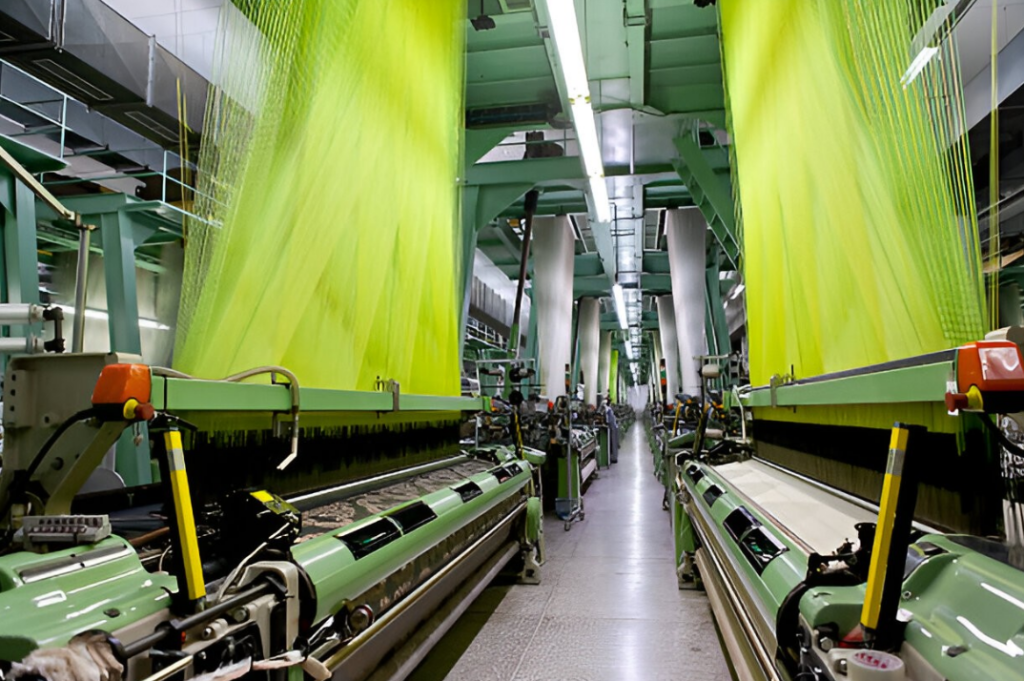
The implementation of the One-Stop Shop model brings a multitude of benefits to the factory floor, where the integration of several production phases promotes a more rational and efficient environment. On the factory floor, reducing intermediate transfers between different companies minimizes interruptions and bottlenecks, allowing for a smoother flow of materials and products.
This consolidation improves communication and coordination between workers and departments, facilitating faster problem resolution and decision making. The centralized structure also promotes better resource allocation and utilization, as machinery and labor can be scheduled and utilized optimally based on real-time production needs.
Additionally, the presence of advanced technologies, such as IoT sensors and AI-based analytics, on the factory floor enables continuous monitoring and optimization of equipment performance, reducing downtime and maintenance costs.
These efficiencies not only increase overall productivity, but also contribute to higher quality results as consistent quality control measures can be applied more effectively across all stages of production in a single facility.
Credit: istockphoto – Mehtap Orgun
Technology at the Service of Production
Technological advances play a crucial role in the viability of the One-Stop Shop.
Innovations such as Industry 4.0, which encompasses the Internet of Things (IoT), artificial intelligence (AI) and advanced data analysis, provide the tools necessary for efficient integration. IoT devices can monitor and optimize machine performance at different stages of production, while AI-based analytics can predict demand and manage inventory more effectively.
These technologies contribute to a more reactive and resilient production process, capable of adapting to market fluctuations with greater precision.
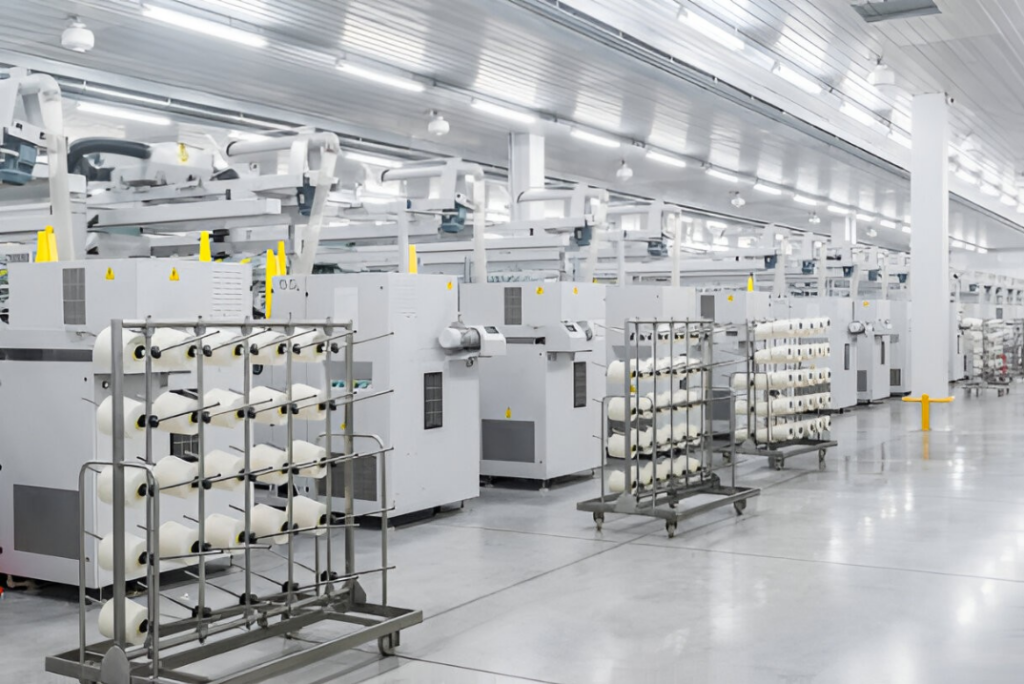
Credit: istockphoto – Albert_Karimov
Updated Clients
Customer fulfillment is also significantly affected by the One-Stop Shop.
model.In a fragmented supply chain, customers often face longer delivery times due to delays accumulated at each stage of production. On the other hand, a consolidated approach can drastically reduce these deadlines, allowing for faster delivery of finished products.
In addition, a single point of contact simplifies the purchasing process for customers, improving their overall experience. They can receive full updates on the status of their orders, from raw material sourcing to final delivery, providing greater transparency and reliability.
Innovation Driver
In addition, the One-Stop Shop model promotes innovation in product development. With all stages of production closely interconnected, it is easier to experiment with new materials, techniques and designs. Collaborative efforts between different departments can lead to rapid prototyping and refinement of new products, more quickly satisfying changing consumer preferences.
This agility meets current market demands and puts companies in a position to anticipate and drive future trends.
The move to One-Stop Shop marks a fundamental evolution in the ITV sector.
By integrating several production phases, these companies can achieve greater efficiency, consistency and responsiveness in their operations. The adoption of advanced technologies further increases these benefits, allowing real-time monitoring and agile adjustments.
For customers, this model translates into shorter delivery times, greater reliability and a more fluid shopping experience. As ITV continues to embrace this trend, the synergy between production processes and client fulfillment is expected to reach unprecedented levels of sophistication and effectiveness.
Contact NITextile and learn about our solutions.
📨 geral@nitextile.pt
🌐www.nitextile.pt