


Innovation Strategies and Circular Economy in the Textile Sector: Lecture at Unifor
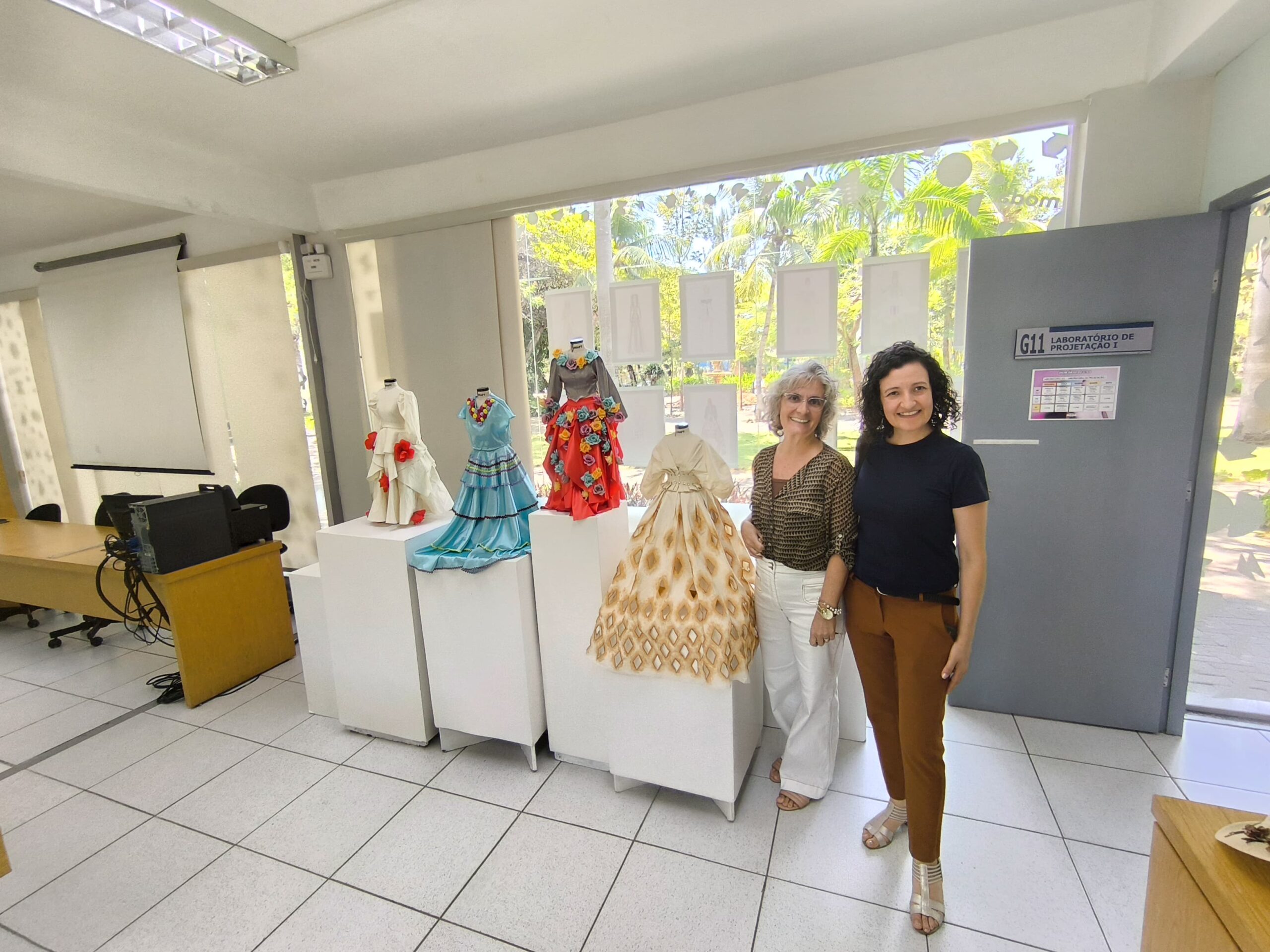
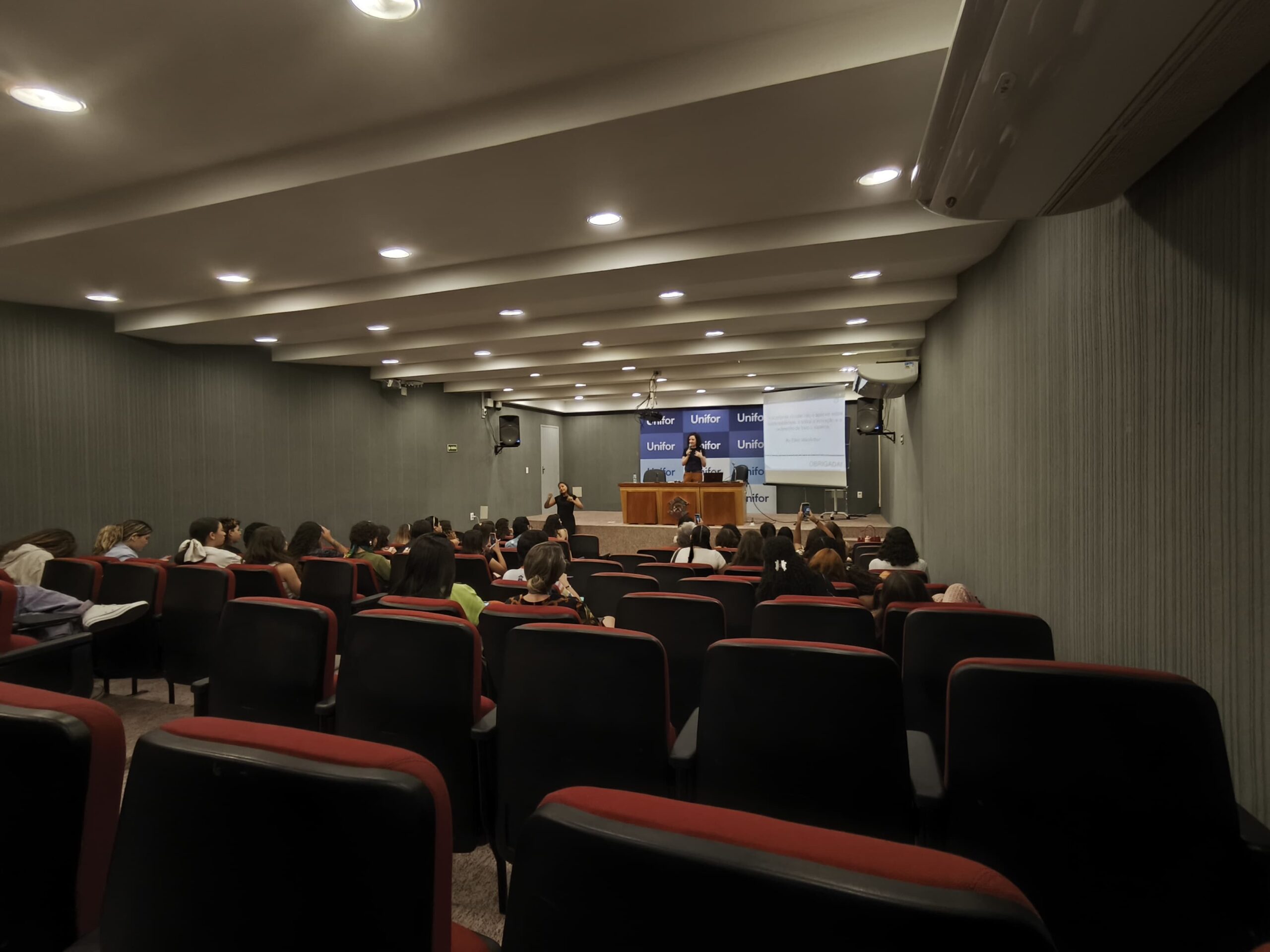
On August 26th, Juliana Cruz CEO of NITextile, was at UNIFOR to discuss innovation strategies in the fashion industry, in an event organized by the Fashion and Fashion Design courses at the University of Fortaleza—an educational institution of the Edson Queiroz Foundation. The event highlighted the relevance of sustainability and innovation as fundamental pillars for the future of fashion.
The University of Fortaleza (Unifor) stands out as one of the most relevant higher education institutions in Brazil, recognized for its academic excellence and innovation in multiple areas of knowledge, where it offers specialized courses in the area of fashion, which integrate design, sustainability and strategic management as essential pillars in the training of qualified professionals to face the challenges of the global market.
The Fashion Design course adopts a multidisciplinary approach, promoting creativity, entrepreneurship and socio-environmental responsibility, preparing its students to develop innovative and sustainable solutions in the dynamic and competitive universe of fashion.
The lecture and debate highlighted the importance of facing global challenges, such as climate, social and economic crises, where the excessive consumption of resources at a rate greater than the Earth’s capacity to regenerate, highlights the urgency of a transition to more sustainable models.
Innovation and Sustainability in Fashion
The fashion sector, one of the most impactful in terms of consumption of natural resources, was approached from a perspective of transition from linear to circular models, with strategies aimed at eliminating waste, maintaining materials in use and regenerating natural ecosystems.
Where the focus should be on the concept of corporate sustainability, based on the Triple Bottom Line model (People, Planet, Profit), highlighting the opportunities that sustainability can generate for companies, such as cost reduction, risk management and customer loyalty.
The event also explored how innovation can create value, promoting circular business models that extend the life cycle of products, encourage reuse and maximize efficiency.
Circular Business Models
Among the circular business models discussed, the classic longevity model, the hybrid model, which combines circular components, and the access model, which promotes the sharing of products and services, stand out. Juliana Cruz highlighted how these approaches are being implemented by renowned global brands, such as Patagonia, which encourages the repair and resale of used clothing, and Adidas, with its Futurecraft Loop recyclable sneaker project.
NITextile also presented case studies that illustrate innovative approaches to design, such as the use of upcycling and cutting-edge technologies. Examples include the mycelium leather produced by Mylo and the sustainable dyeing by Colorifix, which uses microorganisms to create color.
Conclusion
In the debate at Unifor, it was made clear that the circular economy is not limited to sustainability, but also involves innovation and a complete redesign of production systems. These changes need to be systemic and with the involvement of everyone, especially the management models of each country.
This event reaffirms NITextile’s commitment to promoting sustainable technological innovation and strengthening the link between science and business, in line with today’s social, environmental and economic challenges.
For more information about NITextile and its initiatives, visit www.nitextile.pt